
When you hire a skip, you expect a simple, stress-free experience: load your rubbish, wave goodbye to the mess, and let the skip hire company handle the rest. But here’s the catch, not everything can go into a skip. In fact, putting the wrong items inside can lead to fines, extra charges, safety risks, and even legal issues.
That’s why knowing what you can and cannot put in a skip is essential. Whether you’re clearing out your home, renovating your property, landscaping your garden, or running a construction project, understanding these rules saves you money, time, and a great deal of hassle.
At A1 Budget Skips, we make skip hire across Poole, Bournemouth and Dorset straightforward and affordable. But we also want customers to stay compliant, safe, and environmentally responsible. This guide breaks everything down — no confusing jargon, no guesswork.
Let’s dive right in.
Why Does It Matter What You Put in a Skip?
Before getting into the full list of allowed and prohibited items, it’s helpful to understand why these rules exist.
1. Safety
Some materials can explode, leak, ignite, or cause harm if mixed with general waste. Chemical reactions are a real risk at waste processing sites.
2. Environmental Protection
Hazardous materials can contaminate soil, waterways, and wildlife. Proper disposal protects the environment and prevents pollution.
3. Legal Requirements
Skip hire companies must follow UK waste regulations. If prohibited items are found in your skip, the company could face fines — which are then passed on to the person who hired the skip.
4. Recycling Efficiency
Many items need specialist recycling. Mixing them with general waste slows everything down, increases costs, and reduces recycling success.
Put simply: knowing what goes where keeps you safe, legal, and cost-efficient.
WHAT YOU CAN PUT IN A SKIP
Below is the full list of acceptable waste types that A1 Budget Skips can collect and process safely.
1. Household Waste
This includes most general rubbish produced from everyday home clearing tasks.
Examples:
- Old toys and clothes
- Curtains, rugs, bedding
- Boxes and packaging
- Books, magazines, paper
- Shoes, bags, accessories
- Kitchenware (pots, pans, crockery)
All these items are safe to dispose of in a skip and are commonly collected during house moves or decluttering projects.

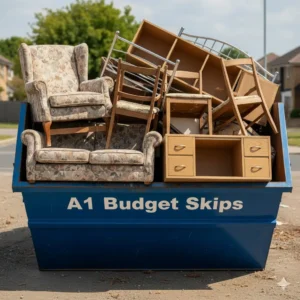
2. Furniture
Most furniture is perfectly fine to place in a skip, including:
- Tables and chairs
- Wooden or MDF wardrobes
- Sofas (check if fire labels are intact — some councils have additional rules)
- Desks, drawers, bed frames
- Shelving units
Upholstered furniture is usually fine, but mattresses require special handling (more on that later).
3. Garden Waste
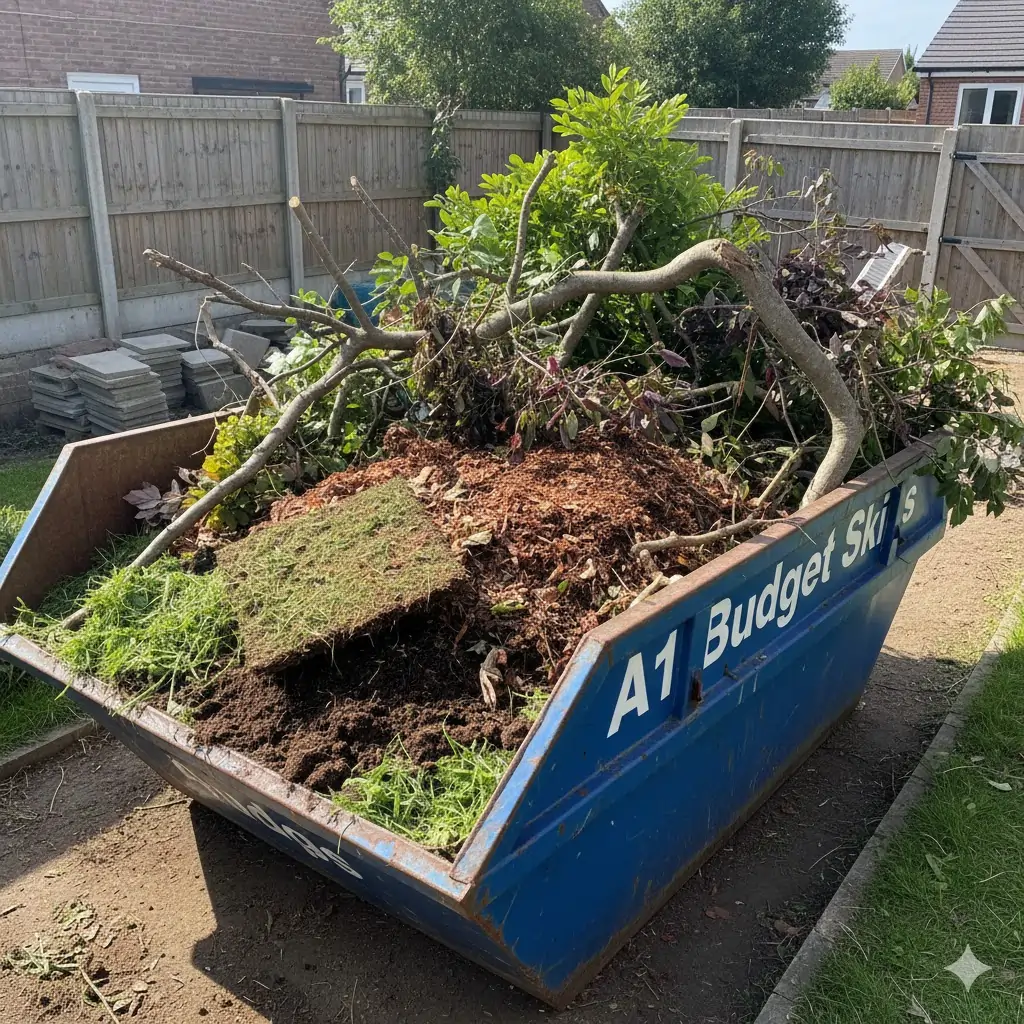
Perfect for landscaping, garden clearances, or outdoor makeover projects.
Allowed garden waste includes:
- Soil
- Leaves
- Shrubs
- Tree branches and cuttings
- Grass clippings
- Turf
- Wood chips
Just be sure soil and rubble are placed in appropriately sized skips due to weight limits.
4. Construction & Renovation Waste
A1 Budget Skips regularly collects building debris, making skips ideal for DIY jobs and professional construction work.
Permitted construction waste includes:
- Bricks
- Concrete
- Rubble
- Tiles
- Plasterboard (ONLY IF separated — due to gypsum regulations)
- Timber
- Metals
- Old fittings and fixtures
- Kitchen and bathroom rip-outs
Builders' skips are specifically designed to handle heavy waste, but be mindful not to overload them.

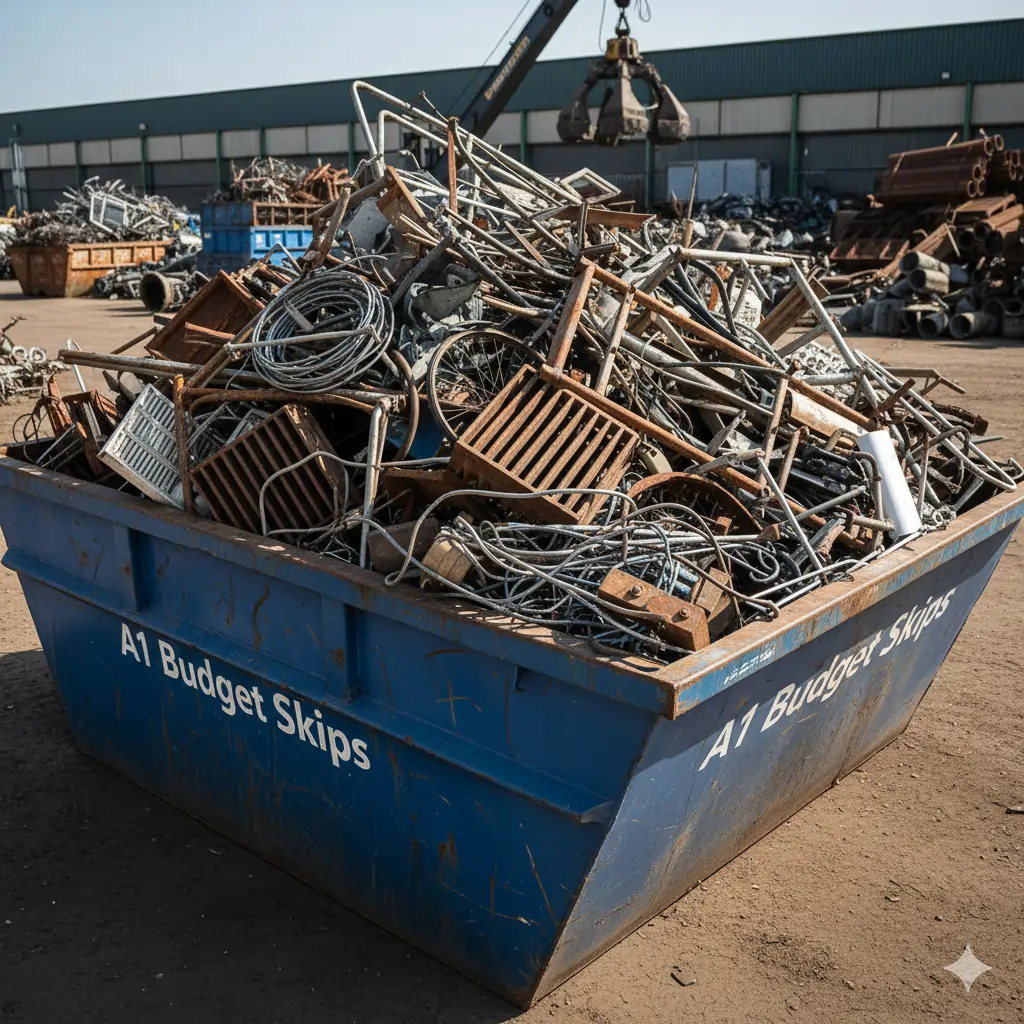
5. Scrap Metal
Metal items can generally go into a skip, including:
- Radiators
- Metal frames
- Old tools
- Aluminium, steel, iron
- Bike frames
- Metal pipes
Most metals are highly recyclable.
6. Cardboard & Paper
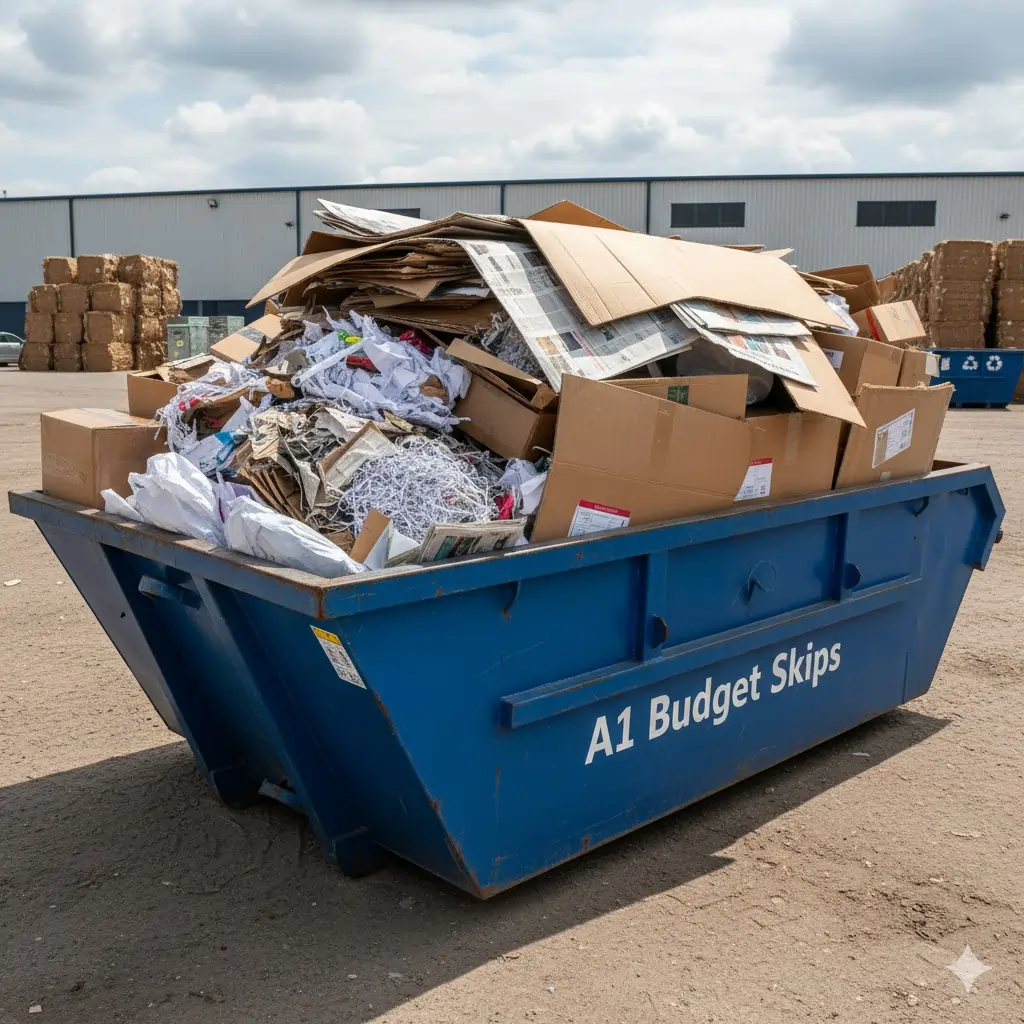
One of the easiest waste streams to recycle, and widely accepted.
Examples:
- Cardboard boxes
- Paper bags
- Shredded paper
- Office waste
- Packaging
Flatten cardboard to save space.
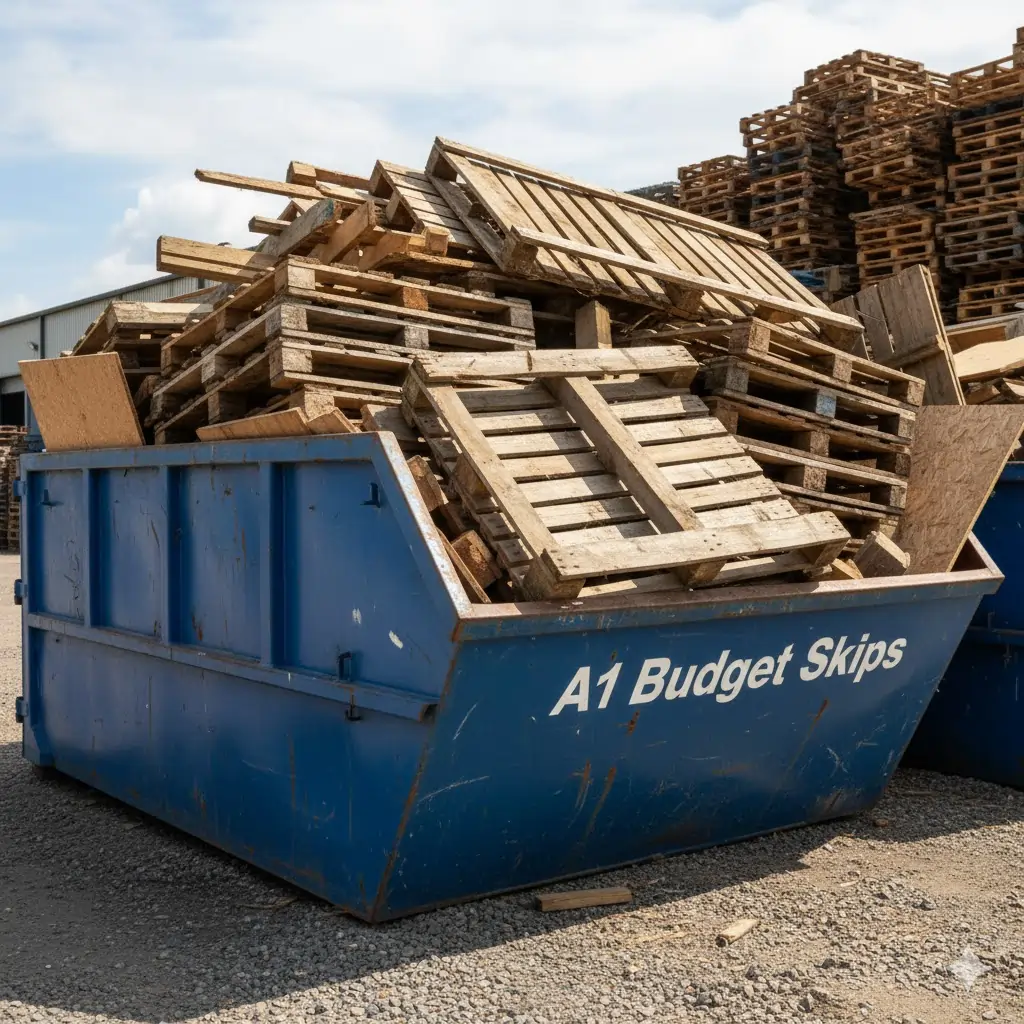
7. Wood
Most wood types are acceptable, including:
- Pallets
- Timber beams
- Plywood
- Chipboard
- MDF
- Painted or varnished wood
This includes waste from fencing, decking, or shed demolition.
8. Plastics
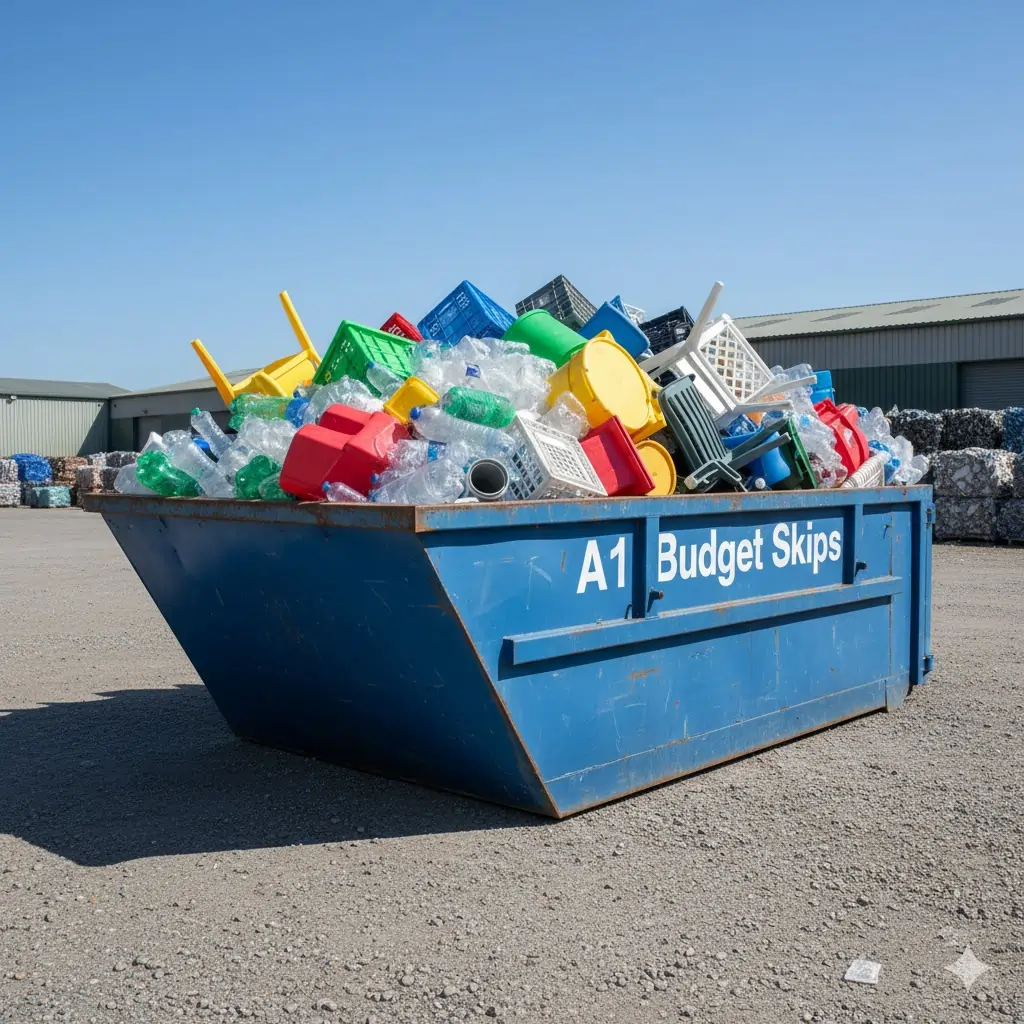
Most non-hazardous plastics can go into a skip.
Examples:
- Plastic containers
- Bottles
- PVC pipes
- Plastic furniture
- Toys and storage boxes
Just avoid chemical containers or hazardous plastics.
WHAT YOU CANNOT PUT IN A SKIP
Now for the crucial part — the items not allowed in a skip. These materials require specialist disposal and cannot be mixed with general waste under UK regulations.
1. Asbestos
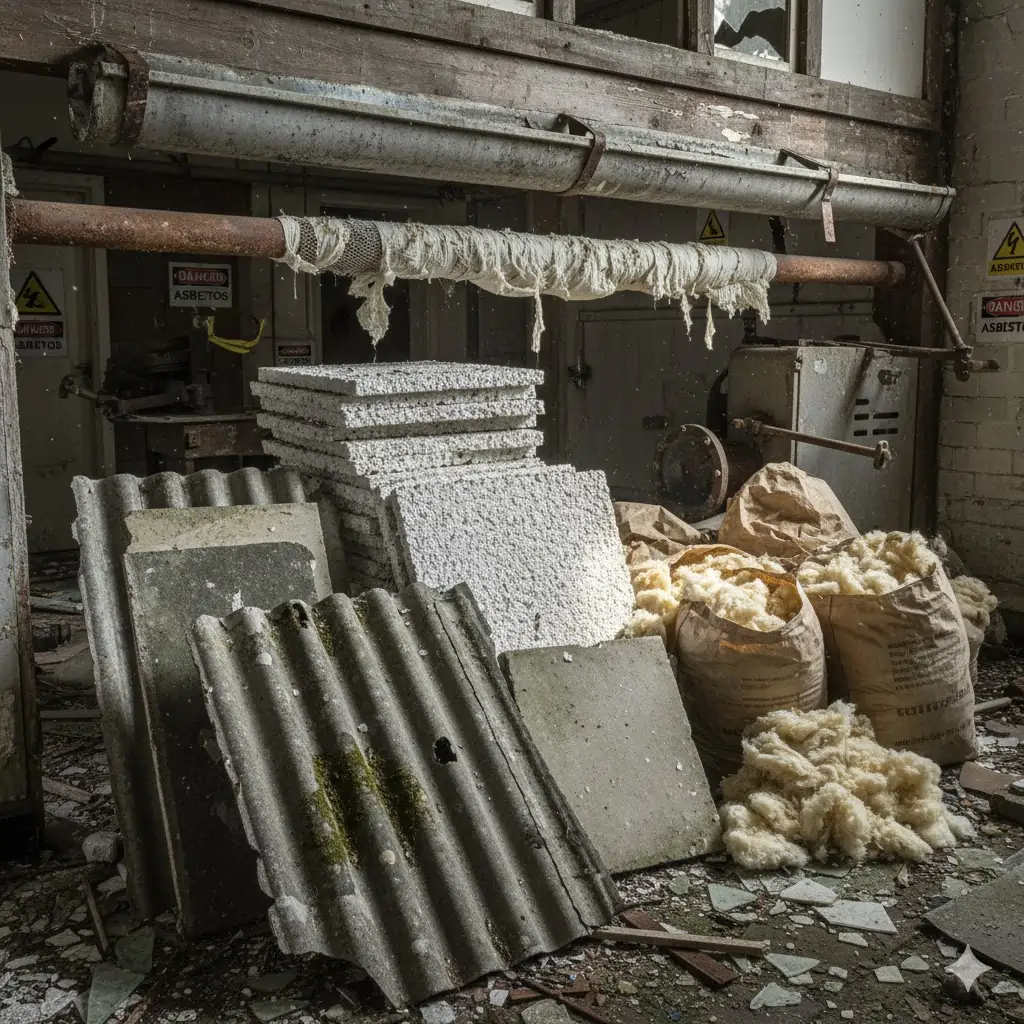
One of the strictest prohibitions. Asbestos is extremely hazardous and must only be handled by licensed specialists.
Common asbestos-containing items:
- Old roofing sheets
- Ceiling tiles
- Insulation
- Guttering
- Pipe lagging
Never try to dispose of asbestos yourself. Always contact a certified removal contractor.
2. Batteries
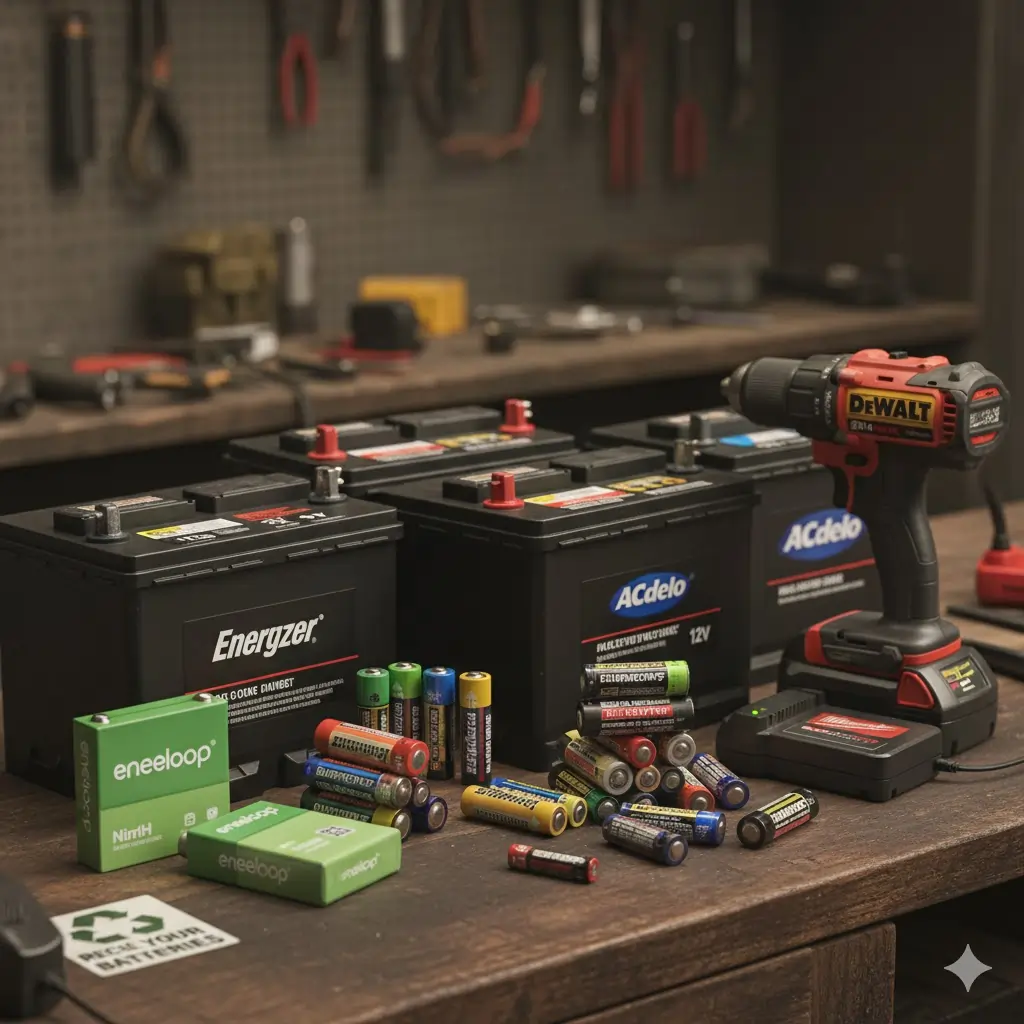
All types of batteries contain hazardous chemicals such as lead, cadmium, and lithium.
This includes:
- Car batteries
- AA/AAA batteries
- Rechargeable batteries
Power tool batteries
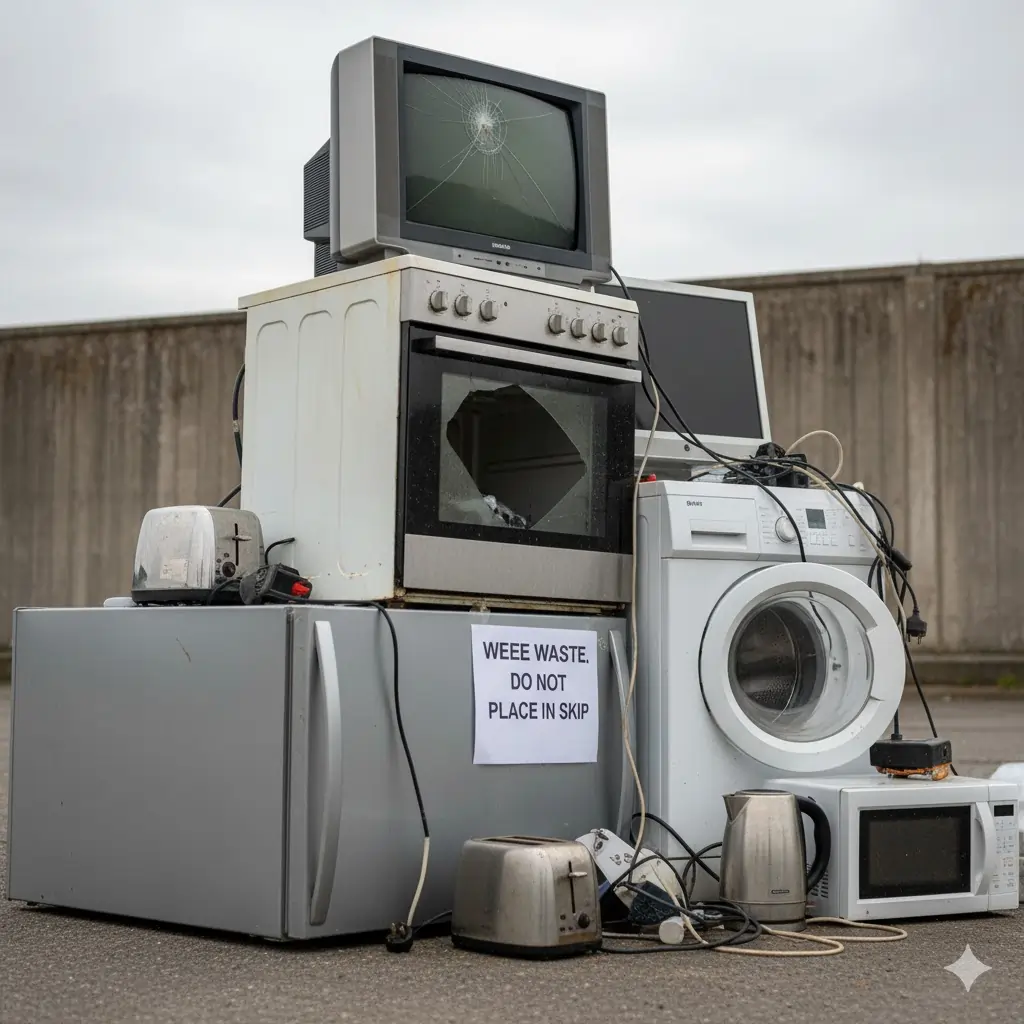
3. Electrical Appliances (WEEE Waste)
Large or small appliances should not be placed in a skip.
Examples include:
- Fridges and freezers
- Washing machines
- Ovens
- TVs
- Monitors
- Toasters, kettles
- Microwaves
These contain electrical components, refrigerants, and metals requiring proper WEEE recycling.
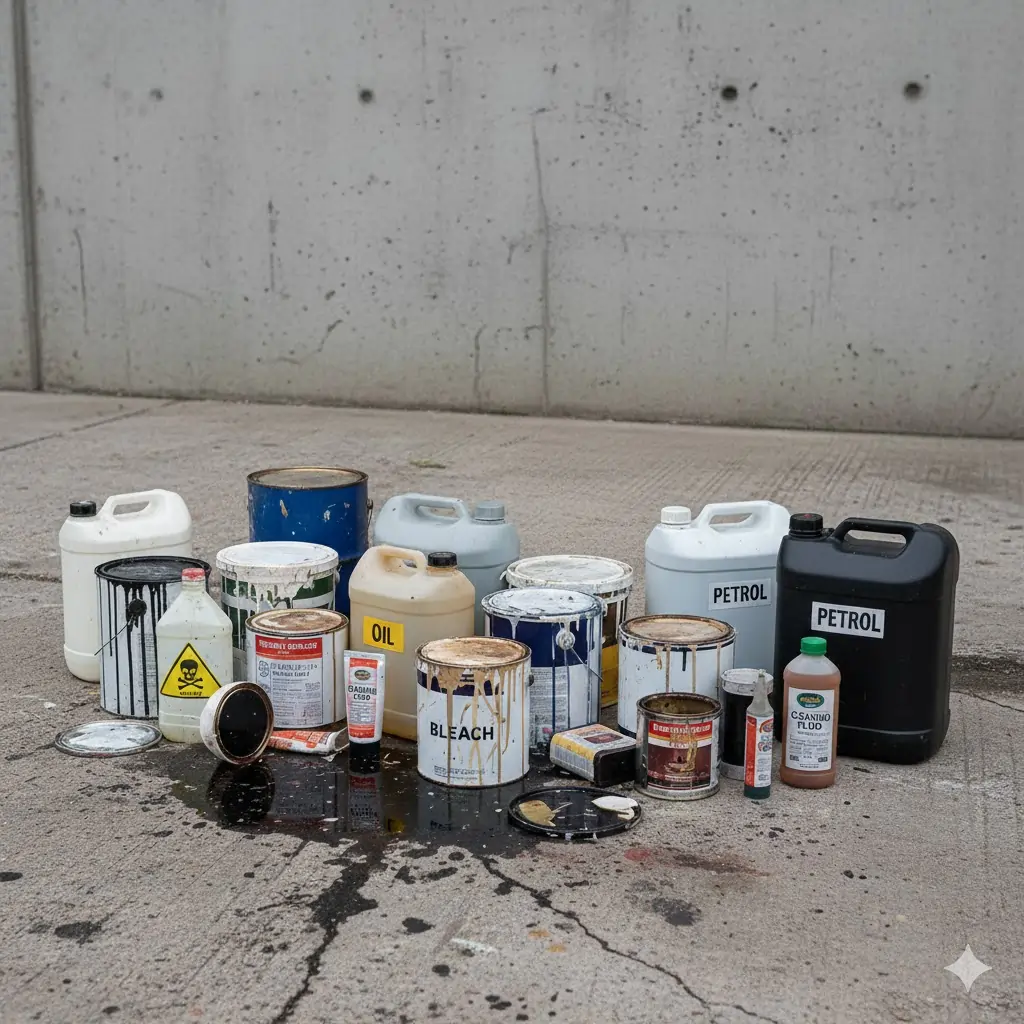
4. Paints, Solvents & Liquids
Skip waste must remain dry. Liquids can leak, contaminate ground surfaces, and create safety hazards.
Prohibited liquids include:
- Paint
- Varnish
- Oil
- Petrol
- Diesel
- Bleach
- Cleaning fluids
- Adhesives
Most can be taken to your local Household Waste Recycling Centre.
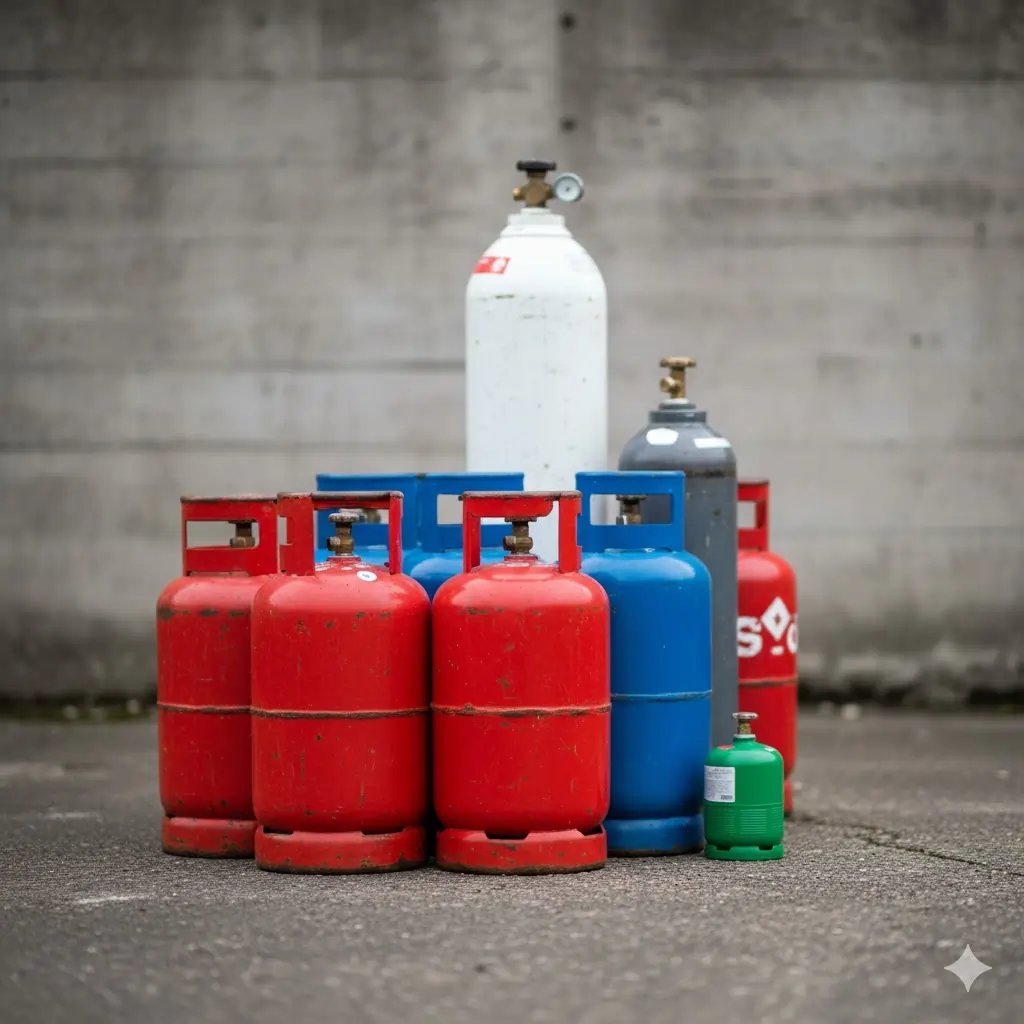
5. Gas Cylinders
Even empty cylinders are not allowed because they remain pressurised.
Examples:
- Propane cylinders
- Butane bottles
- Camping gas
- Oxygen tanks
Suppliers will usually take them back for free.
6. Tyres
Tyres are banned from skip waste due to their recycling requirements. They can be disposed of at tyre recycling facilities for a small fee.
7. Plasterboard (If Mixed With Other Waste)
Plasterboard contains gypsum, which produces toxic gases if mixed with biodegradable waste. It must be bagged separately and placed in a dedicated skip or section.
8. Medical or Clinical Waste
This includes:
- Needles
- Medicines
- Bandages
- Biological waste
These require specialist disposal due to biohazard risks.
9. Mattresses (In Most Cases)
Some skip companies accept mattresses for an extra fee because they require dismantling. Always check first.
10. Fluorescent Tubes & Lightbulbs
These contain mercury and cannot go in general waste.
11. Chemicals & Hazardous Substances
Including:
- Pesticides
- Herbicides
- Antifreeze
- Laboratory chemicals
- Cleaning acids
These must be disposed of safely through your local authority.

Grey Area: Items You Should Check With the Skip Hire Company
Some materials fall into the “sometimes allowed” category depending on volume, condition, and type of skip.
These include:
- Upholstered sofas (requires fire label)
- Carpets and underlay
- Gypsum-based products
- Large quantities of soil
- Large tree stumps
- Commercial waste streams
If in doubt, A1 Budget Skips can advise you instantly.
Why Different Skip Hire Companies Have Different Rules
Not all waste processing centres accept the same materials. That’s why some companies allow certain items while others don’t.
Factors include:
- Local recycling centre capabilities
- Processing fees
- Environmental regulations
- Skip size and weight limits
A1 Budget Skips follows the most up-to-date UK waste guidelines while keeping costs low for customers.
The Importance of Responsible Waste Disposal
Every item placed in a skip is sorted, separated, and directed towards the most eco-friendly route possible. Responsible waste handling helps reduce:
- Landfill pressure
- Environmental pollution
- Energy consumption
- Carbon footprint
A1 Budget Skips is committed to sustainable waste management, ensuring as much waste as possible is recycled.
Tips for Using Your Skip Responsibly
Here are some simple ways to get the most out of your skip hire:
1. Break Down Bulk Waste
Disassemble furniture, flatten boxes, and save space.
2. Load Heavy Items First
This creates a stable base.
3. Avoid Overfilling
Waste should never exceed the skip’s fill line.
4. Separate Plasterboard
Keep gypsum materials in a separate bag or container.
5. Keep Liquids Out
Skips must remain dry at all times.
6. Check Before Adding Unusual Items
If something seems unsafe, ask the skip hire team.
A1 Budget Skips: Your Local Skip Hire Experts in Bournemouth & Dorset
A1 Budget Skips isn’t just another skip hire company — they are a trusted local team with years of experience serving homes, businesses, and construction sites across Bournemouth, Poole, Christchurch, Wimborne, and wider Dorset.
Here’s why customers choose them:
- Fast, reliable delivery and collection
- Competitive pricing with no hidden fees
- Friendly customer support
- A full range of skip sizes
- Local knowledge of skip permits and regulations
- Eco-friendly waste management
- Clear guidance on what can and cannot go in your skip
They make skip hire easy, affordable, and completely stress-free.
Understanding what’s allowed — and what’s not — is key to safe, legal, and efficient waste disposal. Most everyday household, garden, and building waste is perfectly fine. But hazardous materials, electricals, chemicals, and specialist items require proper handling.
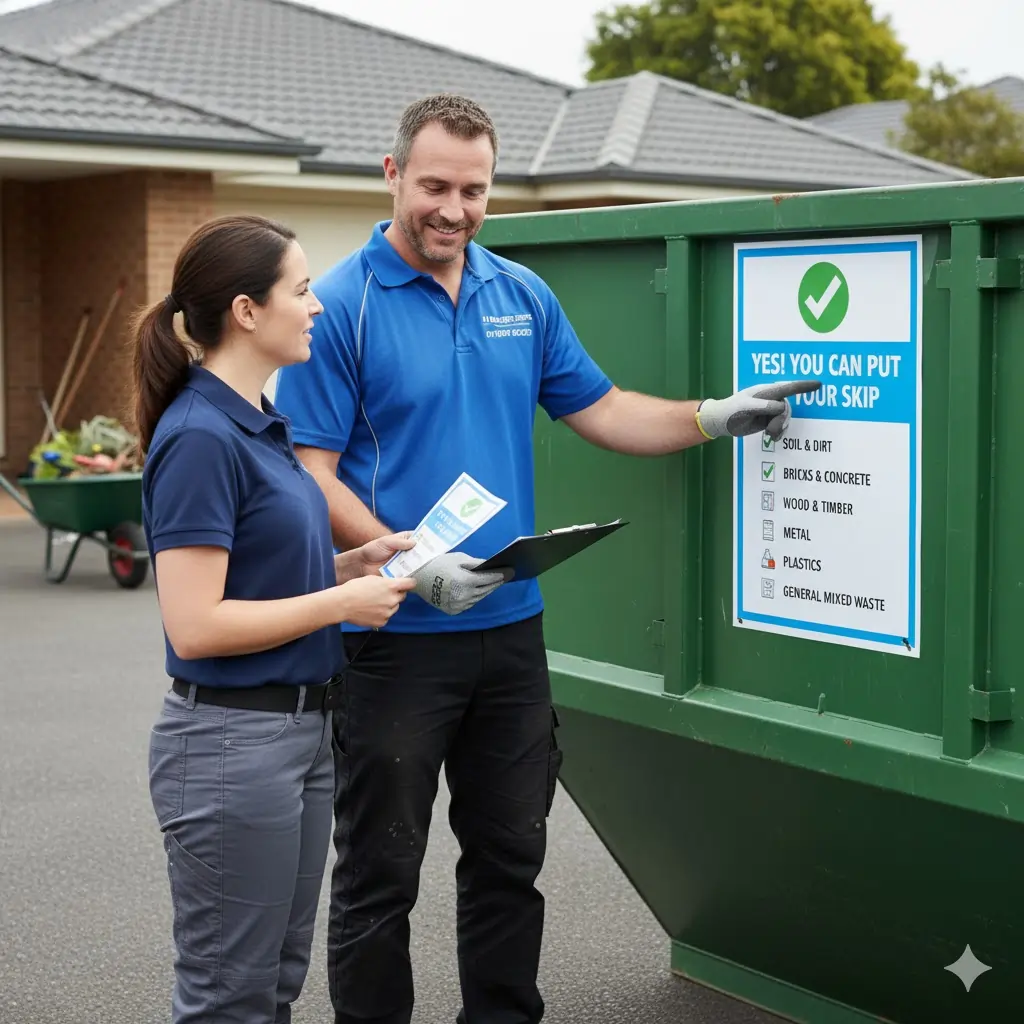
If you’re ever unsure, a quick call to A1 Budget Skips will give you the answer you need.
Ready to book a skip in Bournemouth or Dorset? A1 Budget Skips has the perfect solution for your project — fast, affordable, and environmentally responsible.