
Renovation season arrives. Gardens need clearing. Garages slowly turn into storage spaces for forgotten belongings. Suddenly, waste becomes the biggest part of the project — and the first question people ask is always the same:
How much does skip hire cost in Poole?
At first glance, the answer seems straightforward. A quick online search shows prices ranging from under £100 to well over £300. But dig a little deeper, and you’ll quickly realise skip hire pricing is shaped by far more than container size. Understanding the right skip size for your project and working with reliable skip hire services can significantly impact your total costs. Permits, waste types, recycling regulations, access limitations, and rising landfill taxes all quietly influence what you ultimately pay.
In 2026, understanding skip hire pricing is more important than ever. Environmental regulations continue to tighten, operational costs are rising, and recycling compliance now plays a major role in disposal pricing. Knowing how these elements interact allows you to budget confidently, avoid surprise charges, and select the most cost-effective skip for your project.
This guide breaks everything down clearly and honestly, helping you understand what affects skip hire costs in Poole and how to get the best possible value.
The Real Cost of Skip Hire in Poole (2026 Snapshot)
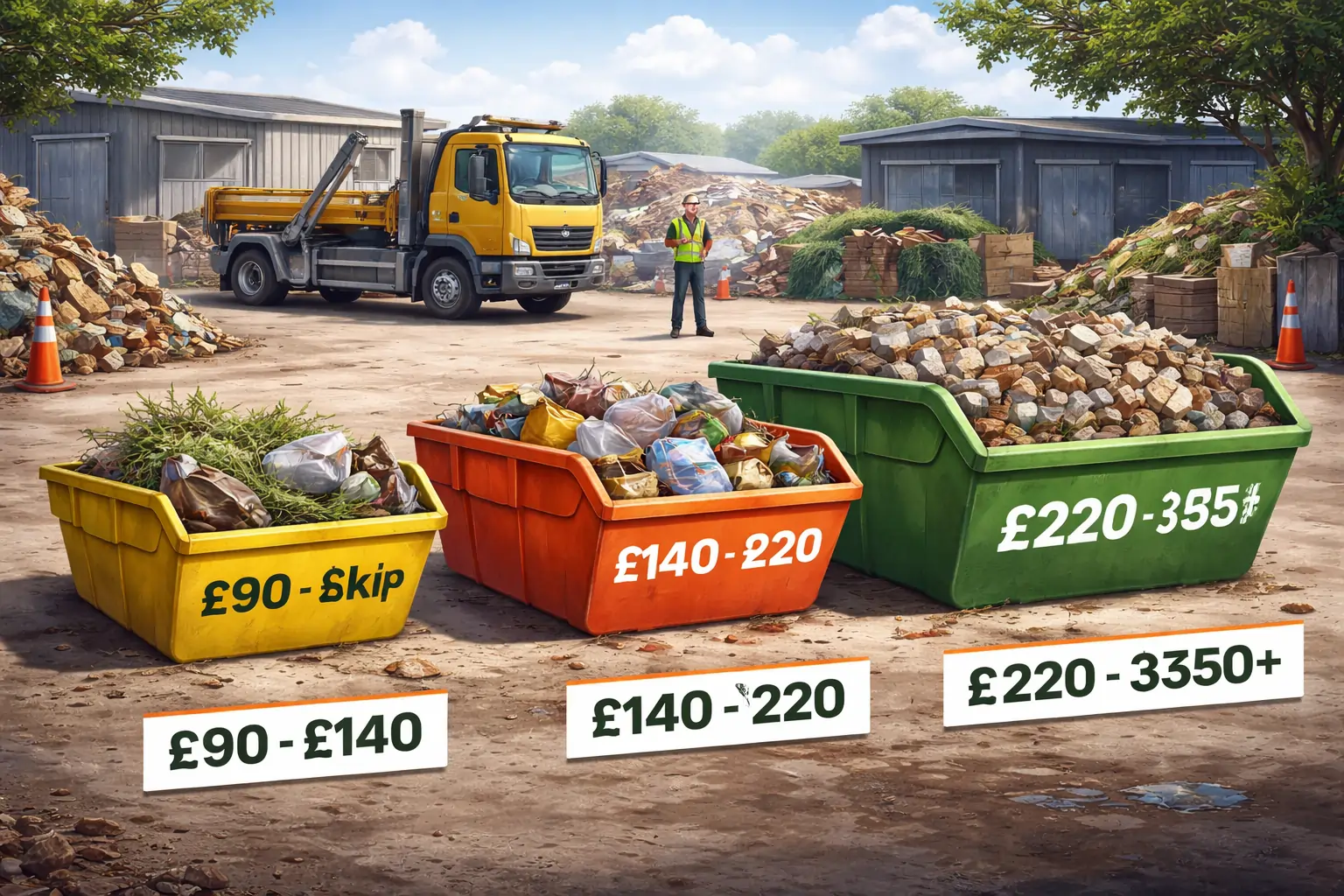
Skip hire prices in Poole typically range between:
- £90 – £140 for small mini skips
- £140 – £220 for medium-sized skips
- £220 – £350+ for large and builders’ skips
These headline figures provide a useful starting point, but they don't tell the full story. The actual price you pay depends on several factors, including skip size, waste type, hire duration, placement location, permit requirements, recycling costs, and logistical complexity. For complete information on the skip hire process in Poole, it's important to understand how these elements work together.
Why Skip Hire Pricing Isn’t One-Size-Fits-All
Two neighbours on the same street could hire identical skips and pay completely different prices.
Why?
Because skip hire pricing reflects real operational costs — transport, labour, fuel, tipping fees, and recycling charges — rather than flat-rate convenience pricing.
Every job is unique.
One skip may contain clean soil and bricks. Another could be filled with plasterboard, mixed household waste, and broken furniture. Disposal costs vary dramatically.
In 2026, landfill taxes and recycling compliance rules continue to rise, making waste segregation more important — and more expensive — than ever before.
Put simply:
The more complex your waste, the higher the disposal cost. Understanding what you can and cannot put in a skip helps you avoid unexpected charges and disposal fees. That's why understanding pricing factors helps you make smarter decisions before you book.
Skip Hire Prices in Poole by Skip Size
Choosing the correct skip size is the most important decision when it comes to controlling your overall cost. Hiring a skip that is too small often results in needing a second container, while hiring one that is too large means paying for unused space.
Mini Skip (2–3 Yard)
Typical Price Range: £90 – £140
Best For: Small household clearances, garden waste, bathroom refits, DIY projects
Mini skips are ideal when space is tight or your waste volume is modest. They’re popular for:
- Decluttering
- Small landscaping jobs
- Kitchen or bathroom refreshes
- Shed clearances
They’re also cheaper to transport and tip, which keeps costs lower.
Real-world example:
Clearing a small garden and old furniture in Poole? A 2-yard skip usually covers it without overspending. Learn more about all available skip sizes to find the perfect fit for your project.
Midi Skip (4–6 Yard)
Typical Price Range: £140 – £220
Best For: Medium renovations, garden landscaping, bulky household waste
This is Poole’s most commonly hired skip size.
Why? Because it balances cost, capacity, and convenience.
Ideal for:
- Kitchen renovations
- Large garden projects
- Multiple-room clear-outs
- Flooring replacements
Pro tip: Most people underestimate their waste volume. If you’re torn between a mini and midi skip, the midi often prevents the need for a second hire. For more guidance, read our complete guide on domestic skip hire for sustainable waste disposal.
Builders Skip (8 Yard)
Typical Price Range: £220 – £300
Best For: Major renovations, extensions, building waste
Builders skips dominate construction and renovation projects. They handle:
- Bricks
- Concrete
- Timber
- Rubble
- Plasterboard (often charged separately)
This size offers maximum value per cubic yard, but only if you genuinely need the capacity.
Large Skip (10–14 Yard)
Typical Price Range: £280 – £350+
Best For: Commercial waste, shop refits, large-scale clearances
These skips are lightweight waste specialists. They’re perfect for:
- Office clear-outs
- Retail refurbishments
- Warehouse clean-ups
- Bulky but light materials
Because of weight limits, they’re not ideal for heavy rubble.
What Actually Affects Skip Hire Costs in Poole?
Let’s dig into the factors that influence your final price.
1. Skip Size
This is the most obvious factor. Larger skips cost more to deliver, collect, and dispose of. But interestingly, bigger skips often offer better value per cubic yard. The trick is choosing the size that fits your project — without overpaying for unused space.
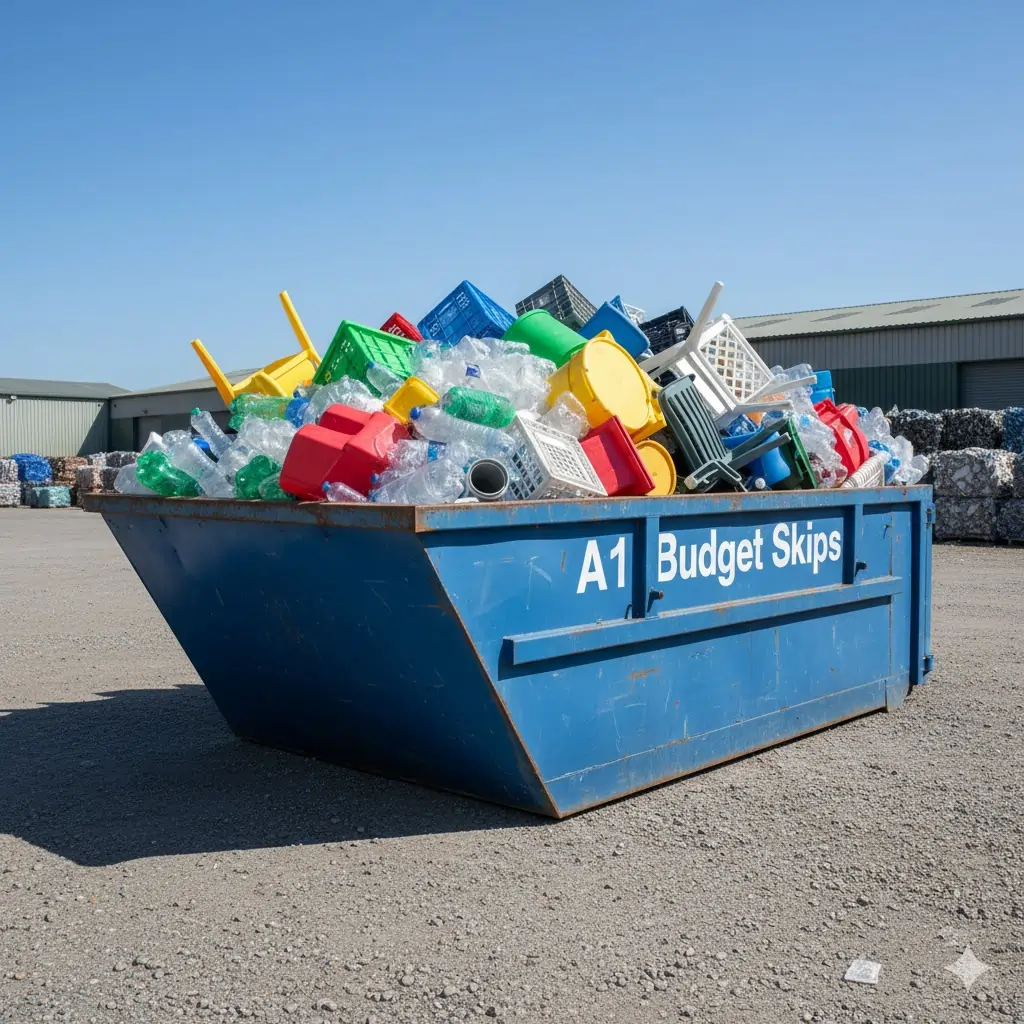
2. Type of Waste
This is where prices really start to vary.
Different waste types incur different disposal charges:
- Mixed household waste → standard cost
- Soil and rubble → heavier tipping fees
- Plasterboard → separate recycling streams
- Green waste → composting fees
- Hazardous materials → specialist disposal
The heavier or more complex your waste, the higher the disposal cost.
That’s why skip providers always ask what you plan to put inside. To avoid fines and additional charges, make sure you understand what items are prohibited in skips.
3. Permit Requirements (Road Placement)
Always check.
4. Skip Hire Duration
5. Access & Delivery Complexity
6. Recycling & Disposal Fees
In 2026, waste recycling compliance is stricter than ever. Skip companies now invest heavily in:
- Sorting facilities
- Recycling plants
- Staff training
- Environmental reporting
These costs influence pricing but also ensure responsible waste handling.
Skip Permit Costs in Poole Explained
If your skip needs to be placed on public land, such as a road or pavement, you will need a council permit. In Poole, permit fees generally range from £40 to £80 for up to 14 days, depending on location and traffic management requirements.
Permit processing times typically range from three to five working days, making early planning essential. Reputable skip hire providers often handle the permit application on your behalf, ensuring compliance with local regulations and preventing delays. If you have questions about permits, check our frequently asked questions for detailed answers.
Hidden Skip Hire Costs to Watch Out For
Prohibited waste fees are another frequent source of unexpected costs. Items such as mattresses, tyres, plasterboard, electrical appliances, and hazardous materials require specialist disposal, which often incurs additional charges.
Weight overages also contribute to higher costs, particularly when disposing of soil, bricks, and rubble. Exceeding weight limits results in increased landfill and transport fees, which are passed on to the customer.
Extended hire periods beyond the agreed timeframe can also generate daily extension fees, especially during peak demand seasons.
Is Skip Hire Cheaper Than Other Waste Removal Options?
Council waste collection services work well for regular household rubbish and limited bulk waste, but they rarely accommodate renovation, construction, or landscaping projects efficiently. For anything beyond small-scale disposal, skip hire remains the most practical and cost-effective solution.

Skip hire, on the other hand, offers flexibility in size, duration, and waste type, making it ideal for a wide range of projects:
-
Home renovations: Old plasterboard, tiles, timber, and broken fixtures can all be disposed of in a single skip.
-
Garden clear-outs: Soil, branches, turf, and garden waste can be removed quickly without multiple trips to the tip.
-
Construction or DIY projects: Builders and DIY enthusiasts can manage rubble, bricks, and mixed waste efficiently.
Additionally, skip hire companies often handle the sorting, recycling, and legal disposal of waste, saving homeowners the hassle of figuring out which items go where. This professional service ensures compliance with environmental regulations, which can be complicated for individuals attempting large-scale disposal.
How to Save Money on Skip Hire in Poole
Here’s where smart planning pays off.
1. Choose the Right Skip Size
2. Sort Waste Beforehand
3. Avoid Prohibited Items
4. Plan Skip Placement
5. Fill It Efficiently
Why Skip Hire Prices Are Rising in 2026
Several industry-wide factors contribute to rising skip hire prices. Environmental regulations continue to tighten, requiring significant investment in waste sorting and recycling facilities. Landfill tax rates have steadily increased, pushing companies to prioritise recycling over disposal. Fuel costs, vehicle compliance requirements, and emissions regulations further raise operational expenses.
While these increases affect pricing, they also drive more responsible waste management, benefiting both communities and the environment.
What a Good Skip Hire Price Should Include
A transparent skip hire quote should clearly cover delivery, collection, waste disposal, recycling costs, and the standard hire period. Any additional fees — such as permits, extended hire charges, or specialist waste handling — should be clearly explained upfront.
Transparency builds trust and ensures customers can budget accurately without unpleasant surprises.
Budget Smarter, Dispose Better
Whether you’re tackling a small garden project or managing a full property renovation, informed decisions lead to smoother projects, cleaner finishes, and better value for money.